


(Conductive Back Coating): Typically Composed of Chromium Nitride to Reduce Static Build-up and Facilitate Electrostatic Holding.
Aug 27, 2024
Leave a message
0020-18273 Body,Throttle Valve Hdp.cvd
0040-99952 Esc #29
Lithography technology is a vital part of today's semiconductor manufacturing, and its advanced degree directly determines the performance and quality of chip manufacturing. This report will introduce the most advanced lithography technology and discuss its transformation from traditional to advanced.
I. The Head of the Enterprise
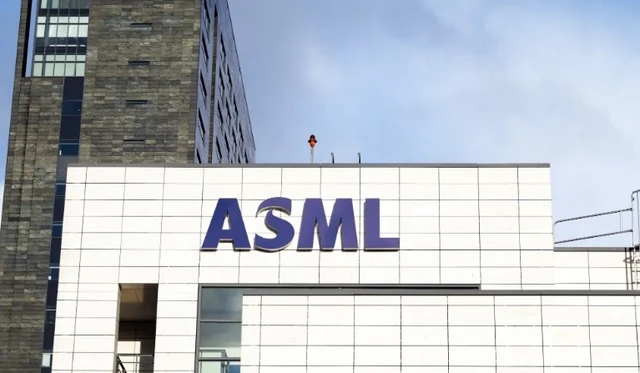
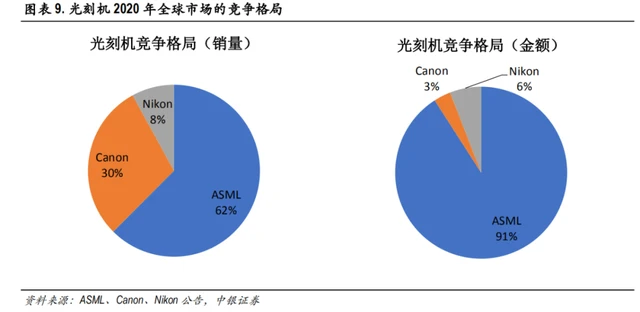
At present, in the field of lithography technology, the leading companies mainly include Netherlands ASML, Japan Nikon and Canon. Among them, ASML is the world's largest supplier of lithography machines, with a market share of more than 90%. ASML's Extreme Ultraviolet (EUV) technology is currently the most advanced lithography technology and is widely used in chip manufacturing.
II. Conventional Lithography Techniques
Conventional lithography techniques mainly use ultraviolet (UV) or deep ultraviolet (DUV) as the light source. The disadvantage of this technology is that the resolution is limited, making it difficult to manufacture chips with higher accuracy and smaller line widths. In addition, DUV technology requires the use of expensive lithography masks when manufacturing advanced chips, increasing production costs. Therefore, traditional lithography technology can no longer meet the needs of current chip manufacturing.
II. EUV technology
EUV technology is a new type of lithography technology, its light source is extreme ultraviolet (EUV), the wavelength is only 13.5 nanometers, which is more than 10 times shorter than the wavelength of DUV technology. This means that EUV technology has a higher resolution and smaller linewidth, which can make more precise chips possible. In addition, EUV technology requires only one mask to be used to manufacture chips, which can significantly reduce production costs.
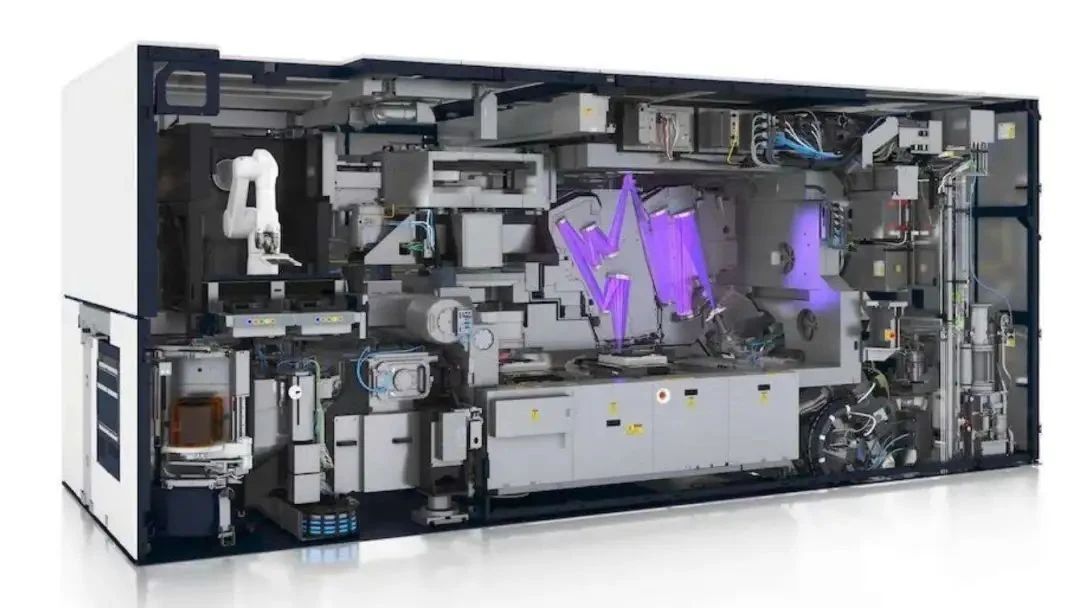
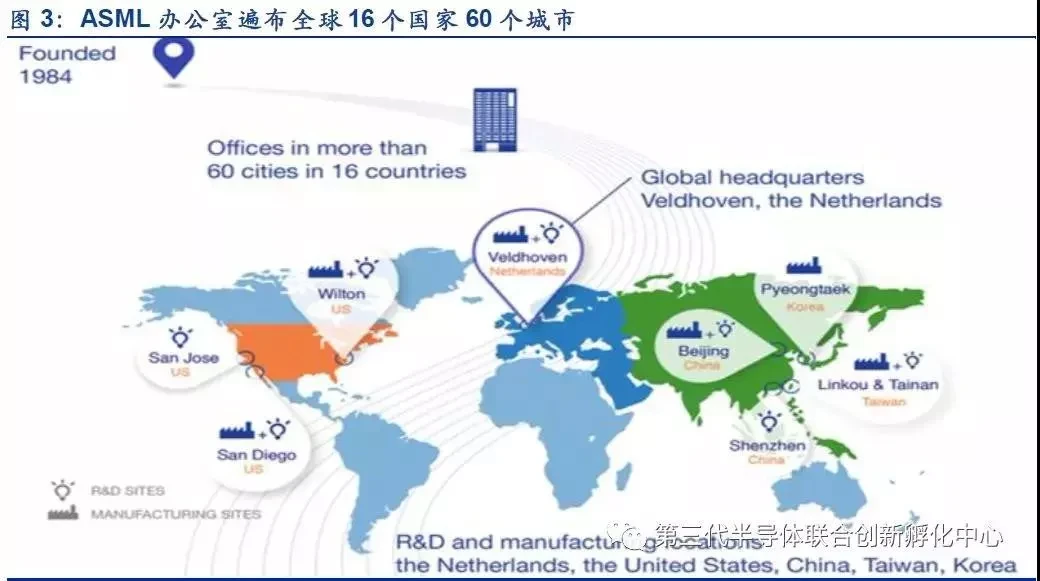
Significant progress has been made in the application of EUV technology in chip manufacturing. According to IC Insights, EUV technology accounted for 5% of the global chip manufacturing market in 2019, grew to 13% in 2020, and is expected to reach 31% by 2024. As of 2022, ASML has delivered EUV lithography machines to more than 40 chip manufacturers around the world, including well-known companies such as Samsung and Intel.
IV. Challenges of EUV technology
Although the application of EUV technology in chip manufacturing has developed rapidly, it still faces some challenges. First of all, the equipment price of EUV technology is high, and the price of an EUV lithography machine can reach tens of millions of dollars or even higher, which is unaffordable for some small chip manufacturing enterprises. Secondly, the stability and reliability of EUV technology still need to be improved, requiring higher quality light sources and masks, as well as higher precision machine design and manufacturing. In addition, the production efficiency of EUV technology needs to be improved, and the current hourly manufacturing capacity is far from meeting the needs of large-scale chip produc
V. Future outlook
Although EUV technology still faces some challenges, it has become a major trend in the current chip manufacturing field, and the future development prospects are promising. With the continuous development of science and technology, the price of equipment for EUV technology will gradually decrease, the stability and reliability will also be improved, and the manufacturing efficiency will be improved. In addition, more advanced lithography technologies may emerge in the future, such as photonic crystal-based lithography and self-assembly technology, which are expected to further improve the manufacturing accuracy and production efficiency of chips.
In conclusion, the development of lithography technology is crucial for the semiconductor industry, and EUV technology, as the most advanced lithography technology, has been widely used and will continue to be one of the main trends in chip manufacturing in the future.
Send Inquiry